
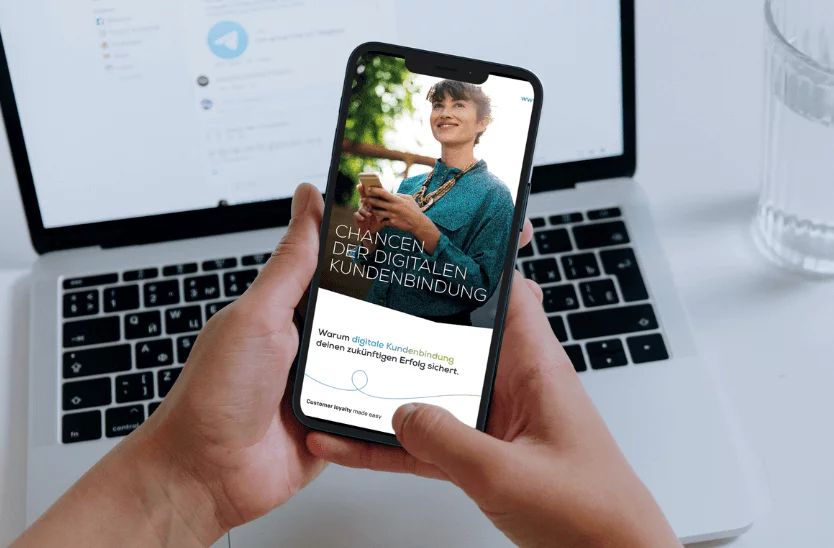
"Mobile first" is no longer just a trend—it's the standard: Customers expect customer engagement to happen right where they are already spending their time—on their smartphones.
But not every mobile loyalty program works equally well. Some mistakes cost you valuable customers, while other strategies turn casual shoppers into true fans. These do’s and don’ts show you what really matters—including a look at the next generation of customers.
Do’s: How to Succeed at Mobile Customer Loyalty
Reward your customers
With loyalty programs, it’s important to show customers that they can actively participate in the program . Loyalty programs shouldn’t be used solely for shopping—no one should be forced to buy something just to participate. Otherwise, it quickly gives the impression that it’s all about business.
To ensure the success of your mobile customer loyalty program, you should address the needs of your customers—for example, through online reviews or surveys. People enjoy being part of things that are successful. So give your customers the chance to become part of your brand. They’ll appreciate it, and it’s one of the best ways to build genuine loyalty.
Customize Your Loyalty Program
Mobile customer loyalty thrives on personalization. If you offer customers promotions that don’t appeal to them, they’ll quickly ignore them. The key question is: Does the customer really need this offer?
Digital platforms help you gather valuable information about your customers. This allows you to tailor your offers to specific groups and communicate with them on an individual basis. To find out how much technical effort such personalization requires, check out our article hello again Loyalty App: The 6 Most Frequently Asked Questions.
Introduce short reward journeys
When introducing a rewards program, it’s important that the process from purchase to reward doesn’t take too long. If a customer has to wait three months to receive a reward, he or she will often drop out of the loyalty program before then.
In addition, the reward should always be proportional to consumption: If someone makes more purchases in a given month, the reward should be correspondingly higher. In summary: The time frame and the amount of the reward must be appropriate.
Be unique
Today, the majority of many companies" revenue comes from a relatively small number of loyal customers. It is precisely these customers that companies need to retain—and mobile customers can be reached particularly effectively through an app. Our article on app marketing in the mobile age illustrates just how much modern technologies and changing consumer behavior are shaping loyalty programs today.
That's why it's important to offer personalized, relevant, and exclusive content that's easy to engage with. Be sure to appeal to different demographic groups and make the most of the data you collect.
Don'ts: You should avoid
Neglect customer engagement
Users should stay engaged with your app on an ongoing basis. If they don’t understand the benefits the app offers them, they’ll quickly lose interest. Therefore, always clearly communicate why your app is worth using—and continuously analyze the data you collect to tailor your strategy accordingly.
Ignoring future generations of customers
Mobile customer loyalty doesn't happen overnight. It's a long-term process that requires a lot of time and attention. For a long time, many programs focused primarily on millennials—those born between 1981 and 1996.
By now, Generation Z (born between 1997 and 2012) has become one of the target groups with the greatest purchasing power and the strongest affinity for technology. Anyone who still treats them as the „up-and-coming“ generation is out of touch with reality.
Instead, it’s worth taking a look at the next generation: the Generation Alpha, born around 2013 or later. They’ve grown up with smartphones, apps, and voice assistants like no other generation before them—and will increasingly make their own purchasing decisions in the coming years. Successful loyalty programs are already taking this target group into account.
| Generation | Years of Birth | Relevance for Mobile Customer Loyalty |
|---|---|---|
| Millennials | 1981–1996 | The established, high-spending core target audience of many loyalty programs |
| Generation Z | 1997–2012 | Already tech-savvy and with strong purchasing power today—no longer a „future generation“ |
| Generation Alpha | Starting in 2013 | Growing up with apps and voice assistants—the core target audience of the future |
Disregard analyses
Whatever you measure must also be interpreted and analyzed correctly. A robust analytics tool helps you identify which parts of your program are used more and which are used less. Respond accordingly: Expand on successful features and scale back those that are underutilized. Customer loyalty is an ongoing process, not a one-time project. Our fact check on the biggest myths about loyalty apps.
Conclusion: Mobile customer loyalty has long been the norm
In summary: Address your customers personally, and base your approach on solid data analysis and evaluation. By standing out, you’ll also be able to appeal to younger target groups, such as Generation Z, and start thinking of Generation Alpha as future customers today.
Mobile customer loyalty is no longer an experiment—it’s the foundation of modern customer relationships. Get a head start and consistently align your loyalty program with the mobile world.
FAQ: Frequently Asked Questions About Mobile Customer Loyalty
What is mobile customer loyalty?
Mobile customer loyalty refers to all measures companies use to build long-term relationships with their customers via smartphones—such as through apps, push notifications, or mobile rewards. Today, it is the primary channel for digital loyalty programs.
What mistakes should you avoid when implementing mobile loyalty programs?
Among the most common mistakes are a lack of personalization, excessively long wait times for rewards, neglected data analysis, and ignoring new target groups such as Generation Alpha. By keeping these points in mind, you can avoid the biggest pitfalls.
How short should a reward journey be?
The shorter the path from purchase to reward, the better. If a customer has to wait several months for a reward, their motivation to continue participating drops significantly. In addition, the value of the reward should always be commensurate with purchasing behavior.
Why is Generation Z already important for customer loyalty today?
Generation Z, born between 1997 and 2012, now has purchasing power of its own and is extremely tech-savvy. Programs that continue to treat this group as the „generation of the future“ are missing out on one of the most important target groups in retail.
What is Generation Alpha, and why should we keep an eye on them?
Generation Alpha, born around 2013 or later, is growing up with smartphones, apps, and voice assistants like no other generation before it. Even though their purchasing power is still limited today, they will increasingly be making their own purchases in the coming years—those who engage them early will secure a competitive edge.
How important is personalization for mobile customer loyalty?
Very important: Offers that don't meet customers' needs are quickly ignored. Digital platforms provide the data needed to tailor offers specifically to individual groups or even individuals.